Furniture fitted to the room, not the catalogue
We turn dimensions, material references and daily needs into a clear drawing before cutting begins.
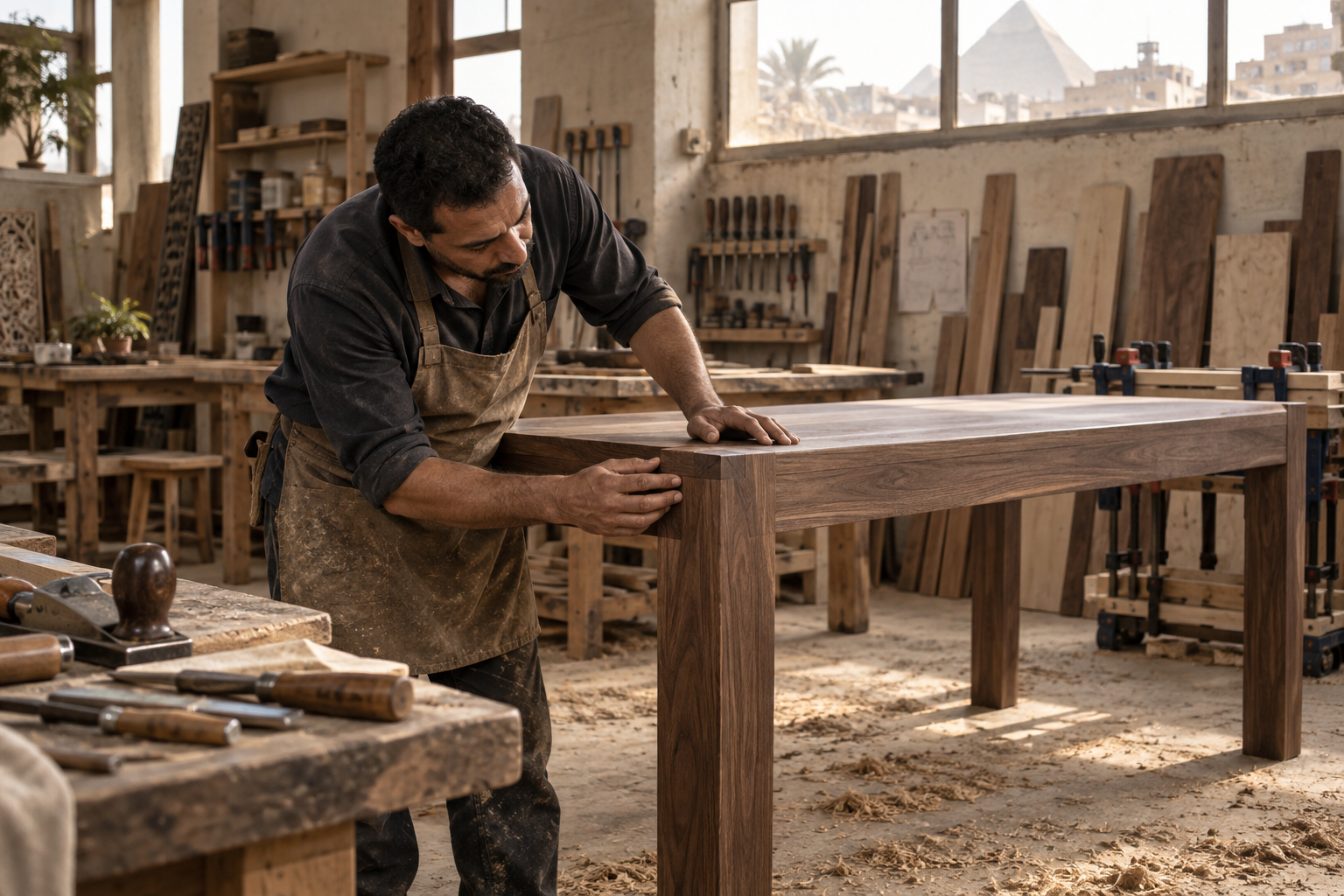
Workshop decisions
- Measure
Discussed, drawn and approved before the next stage begins.
- Material
Discussed, drawn and approved before the next stage begins.
- Prototype
Discussed, drawn and approved before the next stage begins.
- Finish
Discussed, drawn and approved before the next stage begins.
For dimensions and availability, write to workshop@xisibozlofuwo.info.
Information that makes a commission easier
A useful enquiry includes the room, approximate dimensions, intended use and a few photographs. References are welcome, but we discuss what you like about them rather than copying an unrelated object. The first drawing translates storage, seating or display needs into dimensions and proportions. A material proposal follows once the form is understood.
Site measurement checks walls, skirting, floor level, sockets, switches and delivery access. The approved drawing records visible materials, internal arrangement, hardware and finish. Changes after approval are assessed for their effect on timber already prepared and work already completed. Before delivery, we confirm the route into the room and whether installation will create dust or noise. Final adjustment happens in the space where the piece will be used.
Evidence before the bench work
The approved record combines dimensions, elevation or perspective drawings, material notes and the selected finish. Details that affect everyday use—clear opening, shelf height, cable passage, wall fixing and floor variation—are identified before boards are cut. If the room is unfinished, the drawing states which site dimensions must be confirmed later.
Workshop progress is checked at meaningful stages, not photographed continuously for appearance. A client may review a finish sample, unusual grain selection or a dry fit where the decision cannot be recovered after assembly. Delivery protection, access and final adjustment are then planned from the actual piece rather than a generic vehicle assumption.